IG3 rubbish clearance guide for terraced homes
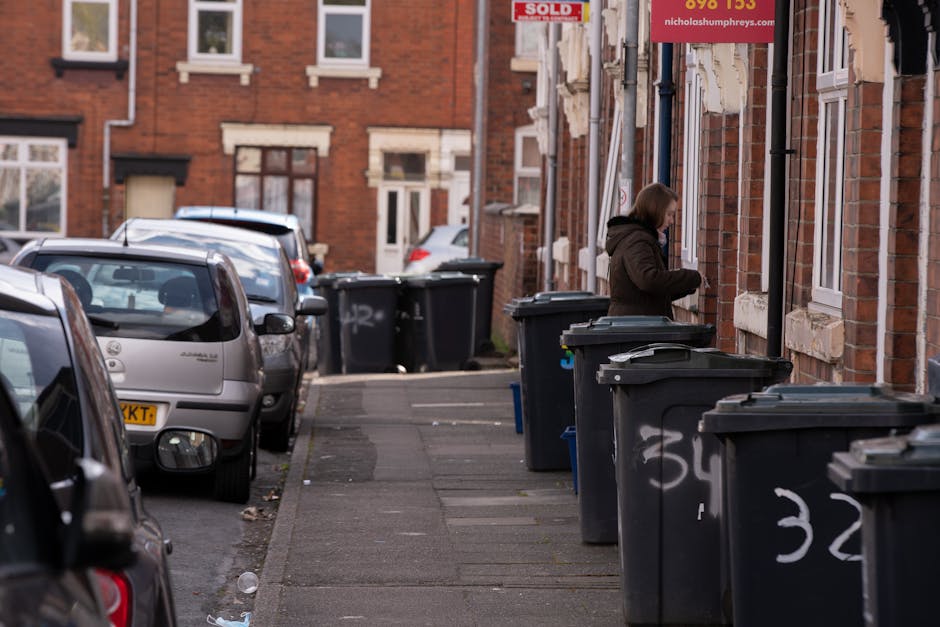
If you live in a terraced house in IG3, rubbish clearance can feel trickier than it should. There may be a narrow front path, shared access, awkward rear gardens, neighbour parking to work around, and not much room to stage bulky waste. That is exactly why this IG3 rubbish clearance guide for terraced homes matters: it helps you clear clutter safely, quickly, and without turning the street into a minor logistics puzzle.
Whether you are emptying a loft, getting rid of old furniture, clearing builders' rubble after a renovation, or simply reclaiming the hallway from everything that has quietly accumulated, a good plan saves time and avoids stress. In our experience, the homes that go smoothly are rarely the ones with the least waste; they are the ones with the best preparation. Let's make yours one of those.
Why IG3 rubbish clearance guide for terraced homes Matters
Terraced homes in IG3 often come with the kind of layout that makes simple jobs feel a bit more involved. There may be no side access, limited off-street parking, and neighbours close enough to notice every skip bag, broken wardrobe, or garden pile going past their window. So when waste builds up, it is not just a tidy-up issue. It can become a access issue, a safety issue, and sometimes even a neighbourly one.
This is especially relevant if you are managing a loft clear-out, replacing worn furniture, or sorting waste after decorating. A hallway blocked by old sofas or boxes can make daily life clumsy. A back garden filled with timber, soil, and bags can become damp, messy, and frankly unpleasant by the time the weather turns. You notice it most when you are trying to get through a doorway with shopping in one hand and a dustpan in the other. Tiny things, but they add up.
A focused clearance plan helps you:
- keep pathways clear for residents and visitors
- reduce the risk of trips, splinters, sharp edges, and broken glass
- avoid waste piling up where it blocks doors, shared paths, or driveways
- sort items for reuse, recycling, and disposal with less last-minute panic
- make the job easier for a crew if you choose professional help
For many households, the biggest win is simple: less friction. A terraced home has a rhythm, and rubbish can interrupt it quickly if you let it sit for too long.
How IG3 rubbish clearance guide for terraced homes Works
Rubbish clearance for terraced properties is usually about sequencing. You are not just throwing things out; you are moving bulky items through a narrow footprint in the least disruptive way possible. The process often starts with a sort, then a lift, then transport, then the right disposal route. Pretty basic on paper. In real life, the awkward corners are what decide how smooth it feels.
Here is the typical flow:
- Assess the waste - identify what is going, what can be reused, and what may need special handling.
- Check access - front path width, stair turns, cellar steps, rear gate access, parking, and any communal restrictions.
- Separate materials - furniture, appliances, garden waste, builders' debris, cardboard, and mixed rubbish should not all be handled the same way.
- Prepare the items - flatten cardboard, remove loose contents, tape sharp edges, and keep heavy items near the exit route.
- Load safely - use the right number of people and the right equipment for bulky or awkward items.
- Dispose responsibly - recycle where possible and send the rest through the correct waste stream.
If you are comparing professional options, it helps to understand the difference between general waste removal and more focused services. A terraced home clear-out may involve everything from a broken wardrobe to a fridge or old mattress. In some cases, specialist disposal is the cleaner route, especially for bulky items like those handled through furniture disposal or mattress and sofa disposal.
And if the job is part of a bigger house reset, a broader house clearance or home clearance approach may be more efficient than tackling each room separately. That tends to be the difference between a half-done Saturday and a genuinely clear property by teatime.
Key Benefits and Practical Advantages
A well-planned rubbish clearance is not only about cleanliness. For terraced homes, the practical gains can be surprisingly broad.
- Better use of limited space - terraced homes often have narrow rooms and small hallways, so clearing waste opens up circulation immediately.
- Safer movement around the property - fewer obstacles means fewer knocks, trips, and strained backs.
- Less disturbance to neighbours - the faster and neater the clearance, the less likely it is to create issues on a shared street.
- Improved sorting for recycling - a thoughtful clearance makes it easier to separate recyclable material from general rubbish.
- Less stress during renovations or moves - if you are already juggling decorating, packing, or repairs, removing waste early gives you breathing room.
There is also a mental benefit people underestimate. A pile of unwanted stuff in a terraced home is not just in the way; it keeps asking for attention. Every time you walk past it, you see another thing to do. Clear it, and the whole room feels lighter. Not magical, but close enough on a gloomy afternoon.
If your clearance includes household furniture, a dedicated service such as furniture clearance can be especially useful because it takes the guesswork out of lifting, loading, and disposal. For broader waste streams, a general waste removal option may be more practical.
Who This Is For and When It Makes Sense
This guide is for anyone in an IG3 terraced home who is dealing with clutter, bulky rubbish, or a one-off clear-out that has outgrown the black bags. It is particularly relevant if you are:
- moving house and need to reduce what comes with you
- clearing a loft, garage, shed, or spare room
- getting rid of old sofas, beds, wardrobes, or white goods
- finishing a decorating project and facing leftover building waste
- tidying an overgrown garden after a season of neglect
- handling a family home that has built up years of mixed belongings
It also makes sense when access is limited. In a terraced street, even a simple load-out can be slowed by parked cars, narrow pavements, or a neighbour's bins left in the wrong place at the wrong time. The key question is not "Can this be cleared?" It is "What is the cleanest way to clear it without disrupting the house or the street?"
If you only have one room to deal with, a targeted service might do the trick. If you are dealing with a whole-property reset, a more structured house clearance or home clearance is often easier to manage.
Step-by-Step Guidance
If you want the process to feel manageable, treat it like a small project instead of a giant chore. The difference is mostly in how you break it down.
1. Walk the property first
Start with a simple walk-through. Look at the front entrance, back garden, stairways, basement access, and any tight turns. In terraced homes, those tight turns matter more than people expect. A chest of drawers that looks easy in the bedroom can become a full-body event at the landing.
2. Separate what stays, what goes, and what needs special handling
Make three groups: keep, clear, and check. The "check" pile is for items like electricals, paint tins, chemicals, or anything that could be awkward to dispose of safely. If something looks questionable, do not just bundle it up and hope for the best. That is where mess and hassle creep in.
3. Prioritise bulky items
Remove the biggest items first. Beds, sofas, wardrobes, appliances, and broken storage units take up the most space and block the easiest routes. Once those are gone, the rest of the job usually feels easier. There is a psychological lift to it too. You can actually see progress, which helps.
4. Protect the route
If items must pass through hallways, stairs, or door frames, make the route safer before you start. Move shoes, ornaments, loose rugs, and anything fragile. Open doors where possible. A quick sweep of the path can stop a scratchy, frustrating experience from becoming a headache.
5. Load in the right order
Heavier and more solid waste should usually go in first, with lighter or crushable material on top if appropriate. If you are hiring help, they will usually handle this, but it is still worth understanding. Load order affects space efficiency and safety. Simple, but important.
6. Finish with a proper sweep-up
Once the items are out, do not leave behind nails, screws, splinters, broken glass, or dust. The after-clean is where a good clearance starts to feel properly complete. A few extra minutes here saves a lot of annoyance later.
Expert Tips for Better Results
There are a few small choices that make terraced-home clearances noticeably smoother. None of them are dramatic. They just work.
- Book with the access plan in mind - tell the team if there is no driveway, if the road is narrow, or if the waste is upstairs. That helps avoid delays.
- Clear a staging area - even a small cleared patch in the hallway or garden helps organise the job.
- Keep the good stuff separate - if you have reusable items, store them aside before the main clear-out starts.
- Take photos before the work begins - not for drama, just for reference and clarity when there are lots of mixed items.
- Think in waste types - furniture, garden material, builders' waste, and electrical items are not all the same thing.
A good example: if you are clearing a back room and garden shed at the same time, it is usually smarter to sort the shed items into separate stacks first. Otherwise, everything becomes one big pile of "later." And later, as we all know, has a habit of getting very comfortable.
If you are dealing with construction leftovers or refurbishment debris, you may need a more structured approach such as builders waste clearance. That is especially helpful after plastering, kitchen changes, or flooring work where rubble and packaging are mixed together.
Common Mistakes to Avoid
Most clearance problems in terraced homes are avoidable. The tricky part is that they usually feel minor at the start.
- Leaving everything until the last minute - a rushed clear-out leads to missed items, poor sorting, and more lifting than necessary.
- Blocking access routes - stacking items in the hallway or on steps is asking for trouble.
- Mixing hazardous items with general rubbish - this can create safety issues and disposal complications.
- Underestimating bulky waste - one sofa and one wardrobe can fill a van faster than expected.
- Forgetting about neighbours - loud dragging, parking complications, and fly-tipping risks can all create friction.
- Assuming every item can go the same way - appliances, electricals, and certain materials may need a separate process.
Another common mistake is trying to save space by breaking things apart too aggressively. Sometimes that helps. Sometimes it creates sharp edges, dust, and a messier load than the original item. Truth be told, a slightly awkward item is often safer left intact until it is being handled properly.
Tools, Resources and Recommendations
You do not need fancy equipment for a basic clear-out, but a few simple tools help a lot. If you are doing the work yourself, consider the basics:
- strong bin bags and rubble sacks
- work gloves with a decent grip
- tape for securing loose doors or sharp edges
- trolley or sack truck for heavier items
- dustpan, broom, and a handheld brush
- marker labels or sticky notes for sorting
For residents who would rather avoid the heavy lifting, a professional service is often the most practical option. You can compare approaches, ask about access, and check what is included through pricing and quotes. If you want to understand what can be loaded into a mixed waste solution, the guide on what can go in a skip can also be a useful reference point, even when you are not hiring a skip itself.
For items that must be handled with extra care, such as refrigerators or larger appliances, a specialist option like fridge and appliance removal is often the safer route. It helps to avoid damage and keeps the disposal process more orderly.
If the house has become a catch-all for old household items, you may also find a focused flat clearance style approach useful as a model, especially for small-room organisation, even though terraced homes obviously have their own quirks.
Law, Compliance, Standards and Best Practice
Waste handling in the UK should always be approached with care. You do not need to memorise legal jargon to get this right, but you should understand the principle: waste must be stored, moved, and disposed of responsibly, and certain items need special treatment.
For terraced homes, the main compliance concerns are usually practical rather than complicated:
- Do not leave rubbish where it creates a hazard on pavements, entrances, or shared access ways.
- Keep hazardous materials separate and handle them through the appropriate route.
- Use a service that takes safety seriously, especially when lifting, loading, or moving heavy items from upper floors.
- Be careful with electricals and appliances so they are not dumped with general waste if a separate process is needed.
Good practice also includes transparency. If a provider says they will sort waste for reuse and recycling, that should be reflected in the process, not just the sales pitch. It is sensible to check how a company approaches handling, insurance, and responsible disposal. Useful pages to review include insurance and safety, health and safety policy, and recycling and sustainability.
If you are dealing with items that may be classed as hazardous, do not guess. Handle them through a proper hazardous waste disposal route or seek clear advice before moving them. It is one of those cases where a little caution saves a lot of trouble later.
Options, Methods, or Comparison Table
Terraced-home clearance usually comes down to three realistic options: do it yourself, hire a man-and-van style removal, or use a full clearance service. The best choice depends on access, volume, item type, and how much time you want to spend doing the lifting.
| Method | Best for | Pros | Trade-offs |
|---|---|---|---|
| DIY clearance | Small loads, light clutter, simple access | Low direct cost, full control, flexible timing | More lifting, more trips, more time, more risk if items are bulky |
| Man-and-van style removal | Medium loads, mixed household waste, quick collection | Fast, convenient, often better for narrow streets and awkward access | May not suit heavy construction debris or specialist items |
| Full clearance service | Large clear-outs, whole-house jobs, mixed bulky waste | Best for volume, less stress, usually more complete | Can cost more than DIY, especially for larger loads |
As a rule of thumb, if you are mostly dealing with a few bags and one small item, DIY may be fine. If you are wrestling with sofas, wardrobes, broken appliances, or a houseful of mixed waste, paying for help usually makes more sense. Nobody needs to spend an afternoon pretending a wardrobe can be "just tilted a bit more." We have all seen how that ends.
Case Study or Real-World Example
Imagine a typical terraced house in IG3: two bedrooms, a small loft, a narrow hallway, and a back garden with a shed that has quietly become a storage unit for everything from broken chairs to damp plant pots. The owners are preparing to repaint and swap out the living room furniture, but the house feels crowded before they have even started.
The sensible approach is to split the job into zones. First, the loft is sorted into keep, donate, and clear. Next, the old sofa and armchair are moved from the lounge, with soft furnishings removed from the route so they do not snag on the stair rail. Then the shed is emptied into separate stacks: garden waste, reusable tools, and general rubbish. Finally, the largest items are removed first, followed by a quick sweep of the hallway, skirting boards, and back threshold.
The result is not just an empty room. It is movement. You can paint without stepping around old clutter. The front room feels bigger. The back garden stops looking like a holding pen for forgotten things. And the owners are not forced into three extra weekends of half-finished sorting. That is the real value of a structured clearance in a terraced home.
If the job included mixed household items with a lot of furniture, a tailored service like furniture clearance would fit neatly into that scenario. If there were also storage rooms or basement contents, broader house clearance support would make the whole thing easier to coordinate.
Practical Checklist
Use this checklist before collection day or before you start loading anything yourself.
- Identify every room, loft, shed, and outdoor space involved.
- Decide what is being kept, donated, recycled, or removed.
- Check for appliances, electricals, sharp items, and anything hazardous.
- Measure the tight spots: stairs, door frames, gates, and hallways.
- Make sure the access route is clear of shoes, rugs, boxes, and loose clutter.
- Park a vehicle where loading can happen safely, if applicable.
- Separate reusable items from waste before the main removal begins.
- Keep children and pets away from the work area.
- Have bags, tape, gloves, and cleaning supplies ready.
- Confirm how the waste will be handled and where it will go.
A small note that saves hassle: if you think an item might be too heavy or too awkward for one person, it probably is. The sensible answer is not heroics. It is planning.
Get a free quote today and see how much you can save.
Conclusion
Clearing rubbish from a terraced home in IG3 does not have to be a drawn-out ordeal. With a clear route, sensible sorting, and the right level of help, the process becomes much more manageable. The goal is not just to get rid of stuff. It is to make the home easier to live in, easier to clean, and easier to enjoy again.
Whether you are tackling a single bulky item or a full property reset, the best results usually come from a calm, practical plan. Start early, keep access in mind, and choose the method that fits the space rather than fighting it. A terraced house has its quirks, sure. But once the clutter is gone, those quirks feel smaller. Much smaller.
And honestly, that fresh, clear feeling when the last bag is gone and the hallway is quiet again? Hard to beat.
Frequently Asked Questions
What is the best rubbish clearance option for a terraced home in IG3?
The best option depends on volume, access, and item type. For a few bags or small items, DIY may be fine. For bulky furniture, mixed household waste, or awkward access, a professional clearance service is usually easier and safer.
How do I clear rubbish from a terraced house with a narrow hallway?
Measure the route first, remove obstacles, and move the largest items before smaller waste. If the hallway is very tight, it is often better to hire a team experienced with terraced properties so items can be handled without damage.
Can I get rid of old furniture as part of rubbish clearance?
Yes. Sofas, wardrobes, tables, and bed frames are commonly included in household clearance jobs. For furniture-heavy jobs, a dedicated furniture-focused service is often the neatest approach.
What should I do with old mattresses or sofas?
These items are bulky and awkward to move, so they are usually best handled through a specific disposal service. That reduces lifting problems and helps the item go through the right disposal route.
Is builders' waste treated differently from household rubbish?
Usually, yes. Builders' waste often contains rubble, timber, plaster, and packaging, which may need a more structured loading and disposal process than ordinary domestic waste.
Do I need to sort recycling before a rubbish clearance?
It helps a lot. Separating cardboard, reusable items, and obvious recyclables makes the clearance faster and supports better waste handling. It is not always essential, but it is definitely useful.
How much space do I need for waste to be collected safely?
You need enough clear access for the crew or vehicle to work without blocking the entrance, pavement, or shared route. Even a small cleared staging area can make a big difference in a terraced house.
What if I have an item that might be hazardous?
Do not mix it with general rubbish. Keep it separate and check the correct disposal route before moving it. If you are unsure, it is safer to ask for advice than to guess.
Can rubbish clearance be done if I do not have a driveway?
Yes, but planning matters more. Limited parking and street access are common in terraced areas, so the collection approach should be based on the layout of the road and the house.
How can I make a terraced-home clearance cheaper or more efficient?
Sort items in advance, separate bulky furniture from loose waste, and clear the access route before collection day. The less time spent moving things around, the smoother the job tends to be.
What is the difference between home clearance and house clearance?
They are often used similarly, but home clearance can feel more general, while house clearance often suggests a full-property job. In practice, the right choice depends on how much of the property needs clearing.
What should I check before booking a clearance service?
Check how access will work, what types of waste they handle, whether they can manage bulky items, and how pricing is explained. Useful company pages to review include pricing and quotes, insurance and safety, and about us.
Can I combine garden waste with other household rubbish?
Sometimes yes, but it depends on the collection method and the mix of materials. Garden waste is often handled separately where possible, especially if it includes soil, branches, or heavier organic material. A dedicated garden clearance service can be a cleaner fit for outdoor jobs.
Where can I go if I want to book a collection?
If you are ready to move forward, use the booking option on the site and choose the service that best matches your waste type and access. For straightforward online scheduling, book online is the most direct next step.